
Teaching mathematics can be challenging, especially when introducing abstract concepts such as fractions. Many elementary students have difficulty understanding what they really represent because they often learn them only on paper. However, a very effective strategy for teaching fractions is to use real objects that students can manipulate, divide, and observe.
When children see, touch and experiment with physical materials, learning becomes much more meaningful. Suddenly, a fraction stops being a strange number like 1/2 or 3/4 and becomes something tangible: half an apple, a quarter of a pizza or half of a chocolate bar. This approach not only makes it easier to teach fractions, but also transforms math into a fun and memorable experience.
In addition, the use of concrete materials encourages logical thinking, class participation and a deeper understanding of mathematics. Can you imagine your students discovering fractions while sharing fruit or building shapes with blocks?
In this article you will discover practical strategies for teaching fractions with real objects, ideas for easy classroom activities, and resources that can help you turn math into a truly meaningful experience.
Table of Contents
- Why teaching fractions with real objects improves comprehension
- Everyday objects you can use to teach fractions
- Practical activities for teaching fractions in primary school
- How to connect real objects with mathematical representation
- Digital tools to complement the learning of fractions
Why teaching fractions with real objects improves comprehension
One of the main problems with teaching fractions is that they are presented too early as abstract symbols. When a student sees 1/2 or 3/4 in the notebook, he or she may memorize the procedure without really understanding what it means.
Therefore, teaching fractions using manipulatives and real objects is a widely recommended strategy in mathematics education. This approach allows students to build the concept of fractions from concrete experiences.
When children divide an apple into two equal parts, they visually understand what a half represents. If they then cut that same apple into four parts, they can directly observe what a quarter means. This process makes it easier for students to connect the real world with mathematical language.
In addition, working with fractions with real objects provides several benefits:
- Reduces math anxiety
- Promotes active learning
- Stimulates curiosity and exploration
- Facilitates the understanding of equivalences between fractions.
Fun math doesn't come from memorizing rules, but from experimenting. When students discover fractions on their own, learning becomes much more durable.
The result? A stronger mathematical foundation for future content such as percentages, proportions or decimals.
Everyday objects you can use to teach fractions
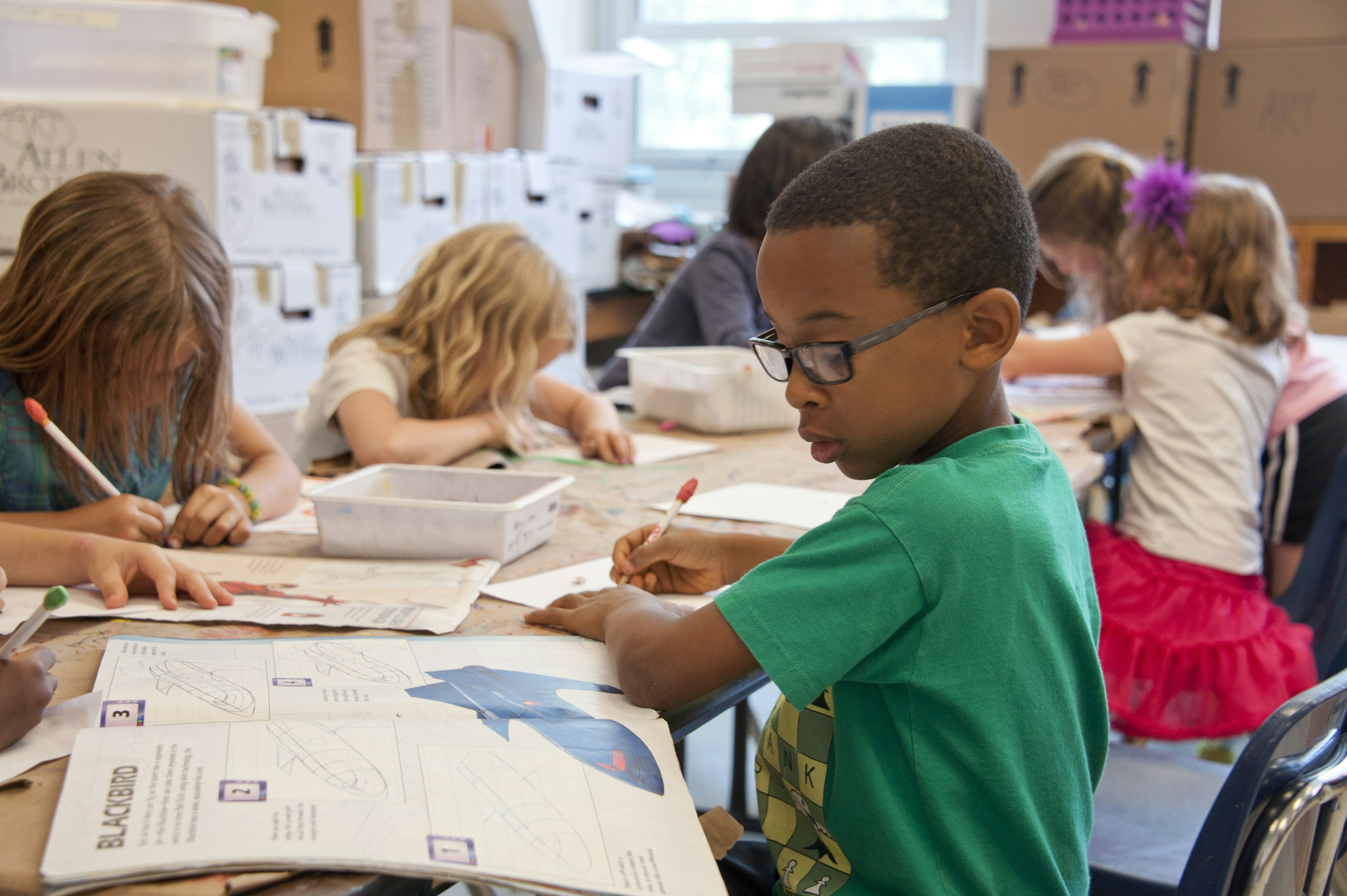
A great advantage of teaching fractions with real objects is that you don't need expensive materials. In fact, many of the best resources are found in everyday life.
Familiar objects help students relate mathematics to their environment, which strengthens understanding and motivation.
Some very useful materials for teaching fractions in elementary school are:
- Fruits such as apples, oranges or bananas
- Pizzas or tortillas divided into portions
- Chocolate bars
- Cookies or sandwiches
- Building blocks or LEGO
- Folded paper
- Plasticine
For example, you can ask students to divide a cookie into two equal parts to represent 1/2. Then they can divide it again to represent 1/4.
Another interesting activity is to use building blocks. If a student has 8 blocks and separates 4, he can easily visualize that 4/8 equals 1/2.
These types of activities turn mathematics into a fun, hands-on experience, which increases interest and participation in the classroom.
In addition, students begin to recognize fractions in their daily lives, which is fundamental to developing mathematical thinking.
Practical activities for teaching fractions in primary school
If you want to teach fractions effectively, hands-on activities are essential. They allow students to experiment, compare and reflect on fractions.
Below are some simple activities that work very well in the classroom.
1. Fractions pizza
Draw a large pizza on poster board or use a real pizza. Ask students to divide it into different parts: halves, quarters, or eighths. Then they can compare which slice is bigger.
2. The fruit laboratory
Give students fruits and ask them to cut them into different fractions. They can then represent the parts using numbers.
3. Building with blocks
Use building blocks to represent fractions. For example:
- 8 blocks in total
- 4 red blocks
- 4 blue blocks
Students can identify that 4/8 of the total are red.
4. Folding paper
Folded paper is a very visual way to teach fractions. Folding a sheet in half represents 1/2, while folding it again allows you to observe 1/4.
These activities turn mathematics into an active experience where students participate, explore and discover concepts on their own.
How to connect real objects with mathematical representation
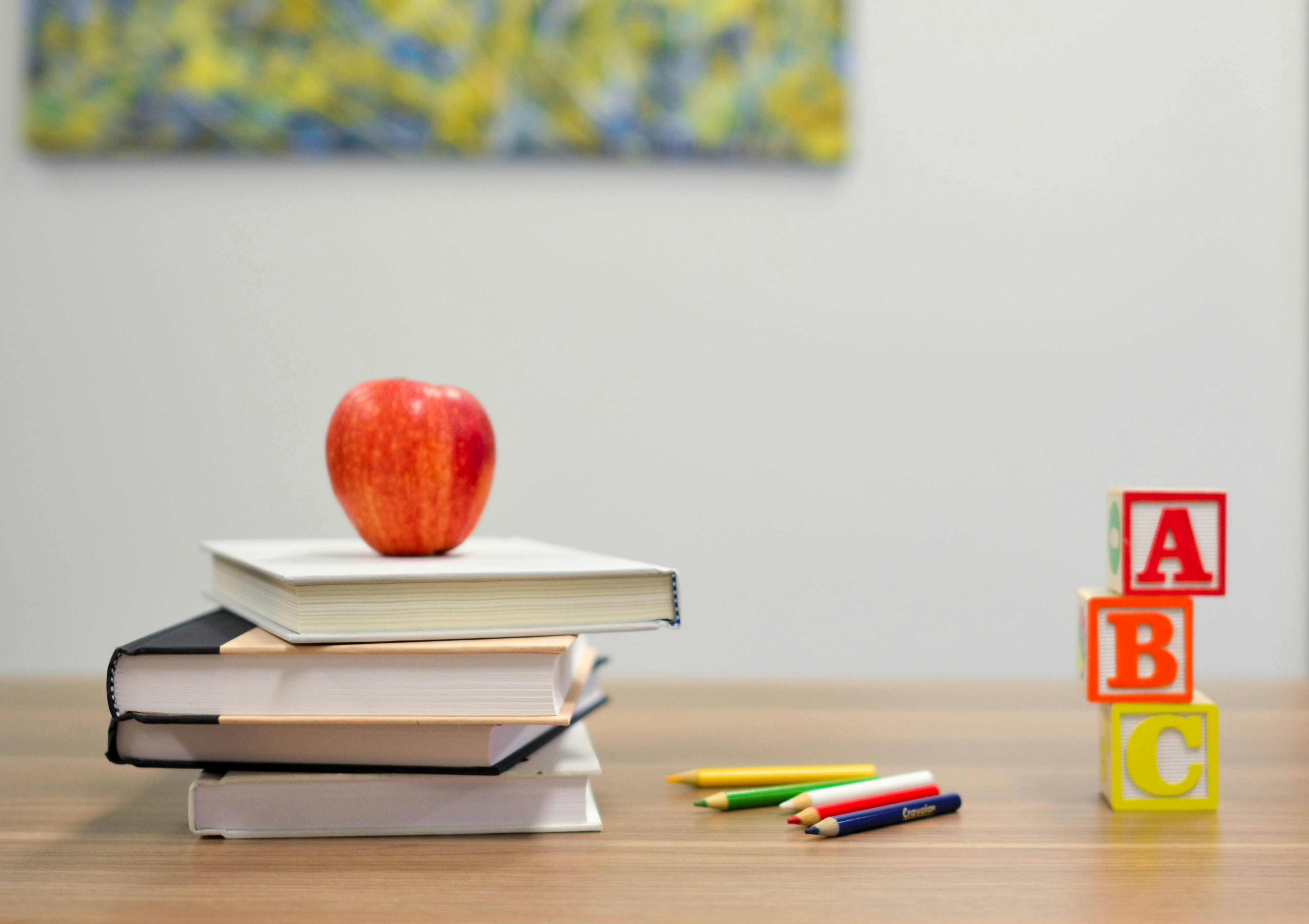
The goal of teaching fractions with real objects is not just to play with materials, but to help students connect concrete experience with mathematical language.
This process usually follows three key stages:
- Specific stage: students manipulate physical objects.
- Visual stage: represent fractions with drawings or diagrams.
- Symbolic stage: use numbers and mathematical notation.
For example, after dividing an apple into four parts, you can ask students to draw the apple in their notebook and color one part to represent 1/4.
The corresponding mathematical symbol is then entered.
This gradual approach makes it much easier to teach fractions because it respects the natural way children learn: first they experiment, then they represent and finally they abstract.
When students follow this process, mathematics ceases to be a series of rules to memorize and becomes a logical system that they can understand.
Digital tools to complement the learning of fractions
Although real objects are a powerful tool, it is also possible to complement learning with interactive digital resources.
Educational platforms allow you to create visual activities, simulations and exercises that reinforce what you learn in the classroom. This is especially useful for practicing fraction equivalencies, comparisons or math problems.
By combining manipulative materials with educational technology, teachers can create more complete and motivating learning experiences.
For example, students can work with real objects in class and then reinforce the concept with interactive activities or math challenges.
This hybrid approach is increasingly used in education because it improves comprehension and maintains student motivation.
If you are looking for a practical way to create interactive activities for your students, you can explore educational tools such as Didaktos, The use of the new software, which allows for the design of dynamic learning experiences adapted to the classroom.
Conclusions
Teaching fractions can be much easier when students have the opportunity to experiment with real materials. Fruits, pizzas, blocks or folded paper allow children to visually understand how fractions work.
This approach transforms an abstract concept into a tangible experience, which facilitates understanding and makes mathematics more fun.
In addition, combining real objects with digital tools can further enhance learning, creating dynamic experiences that keep students engaged.
If you are an elementary school teacher, incorporating these strategies can make a big difference in the way your students understand mathematics.
And if you want to continue exploring tools to help you create interactive educational activities, you can discover more resources at Didaktos.
9
 Español de Puerto Rico
 English