
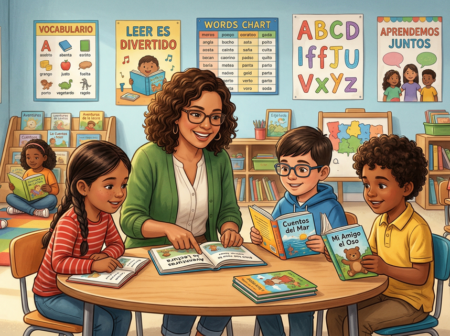
The primary literacy is one of the fundamental skills in basic education. Learning to read and write not only allows students to comprehend texts, but also to develop critical thinking, creativity and effective communication. For this reason, implementing literacy activities dynamic and motivating in the classroom is key to strengthen learning from the early school years.
Many teachers ask themselves: how do you get children to enjoy learning to read and write? The answer lies in using teaching strategies that combine play, creativity and active participation. Well-designed activities can transform traditional teaching into a meaningful experience that motivates students to explore language.
In this article you will discover different literacy activities for elementary school that you can easily apply in the classroom or even at home. These proposals help improve reading comprehension, strengthen writing and develop language skills in a fun and effective way.
Table of Contents
- Importance of reading and writing in primary education
- Literacy activities for elementary school that motivate students
- Strategies to improve writing in primary school
- How to integrate reading and writing in a creative way
- Tips for teachers who teach reading and writing
Importance of reading and writing in primary education
The primary literacy is the foundation of all school learning. When students develop strong reading and writing skills, they can better understand other subjects such as science, mathematics or social studies.
Teaching literacy is not just about recognizing letters or copying words. It is also about understanding texts, expressing ideas and developing critical thinking. For this reason, the reading activities and writing should be varied and adapted to the age of the students.
In addition, working on literacy from an early age allows developing comprehension and analysis skills, improving oral and written communication, stimulating imagination and creativity, and strengthening confidence in learning.
Teachers who integrate participatory dynamics get children more involved in the educational process. The result? Students who enjoy reading, writing and learning.
Literacy activities for elementary school that motivate students
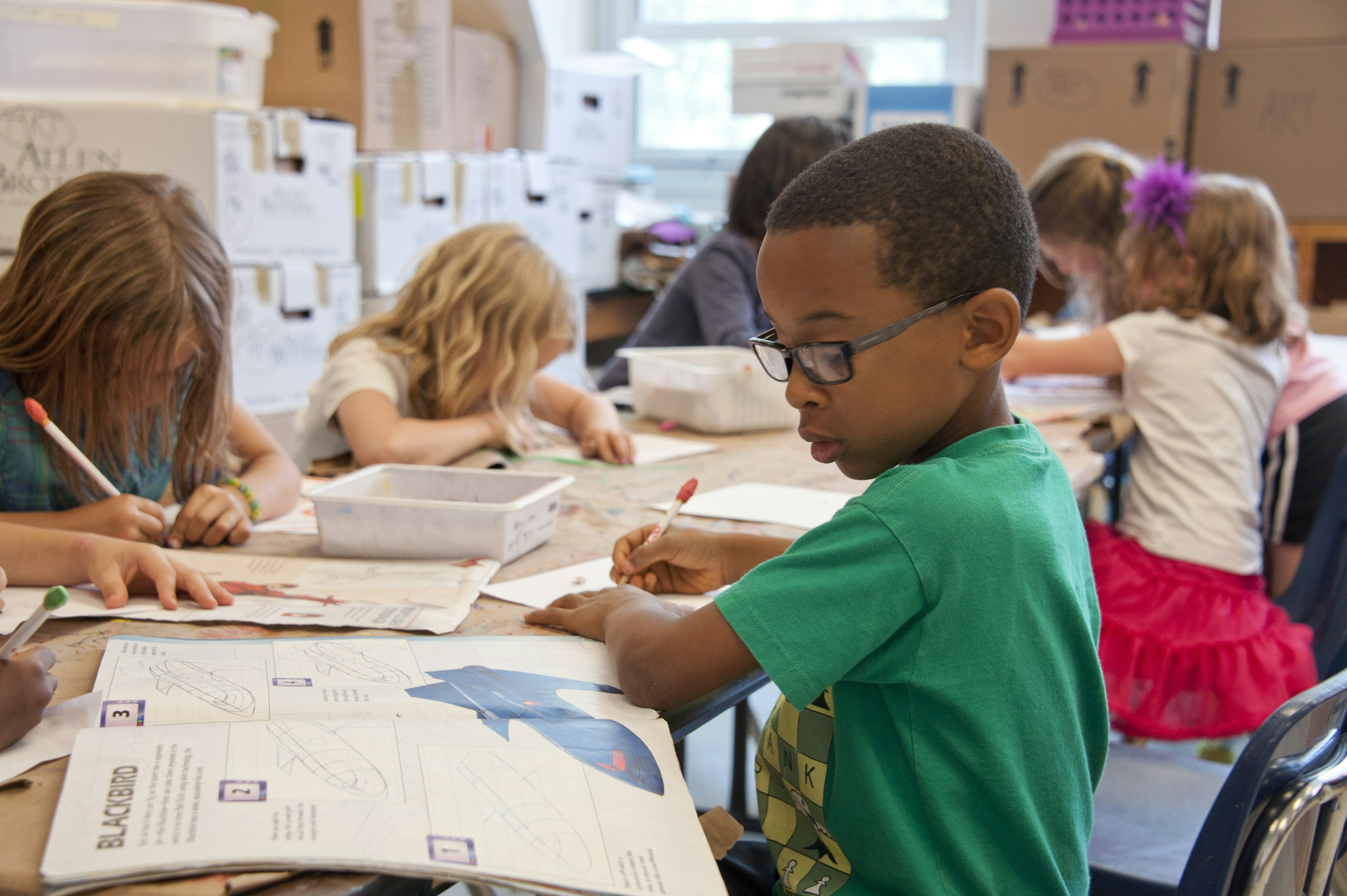
One of the best ways to strengthen primary literacy is through dynamic activities that actively engage students. When learning becomes a fun experience, children are more motivated to participate.
Some reading activities and writing that work very well in the classroom are:
1. Collective stories
The teacher starts a story with a short sentence and each student adds a sentence to continue it. This activity stimulates creativity and improves text construction.
2. Hidden words
Students are given cards with letters or syllables to form words. Students must sort them correctly and then write a sentence with them.
3. Class Journal
Each day a student writes briefly about what happened during the school day. This strengthens writing and reflection.
These dynamics help students develop language skills without feeling like they are doing repetitive exercises.

Strategies to improve writing in primary school
Writing is a skill that develops progressively. Therefore, it is important to implement strategies that help students organize ideas and express themselves clearly.
Some useful strategies to improve writing in primary school include:
- Use graphic organizers to plan texts.
- Work with keywords before writing.
- Promote collaborative review and correction.
- Encourage creative writing through stories.
It is also recommended that students read frequently, as reading strengthens vocabulary and improves the structure of written texts.
Did you know that children who read regularly tend to develop better writing skills? This shows that reading and writing are closely related.

How to integrate reading and writing in a creative way
An effective strategy to strengthen primary literacy is to integrate reading and writing in the same activity. In this way, students understand texts and then express their own ideas.
Some ideas that work very well are:
- Read a story and write an alternative ending.
- Create comics based on stories read.
- Writing letters between characters in a book.
- Design small illustrated books.
These activities stimulate the imagination and help students better understand the structure of texts.
In addition, integrating digital tools can enhance these experiences. Educational platforms such as Didaktos allow the creation of interactive activities that facilitate the learning of reading and writing in the classroom.
Tips for teachers who teach reading and writing
Teaching primary literacy can be a challenge, but it can also be one of the most rewarding experiences for teachers. Implementing good pedagogical practices can make a big difference in student learning.
Some useful tips include:
- Adapt activities to the level of each student.
- Use visual and manipulative materials.
- Promote daily reading in the classroom.
- Foster a positive writing environment.
Remember that each child learns at his or her own pace. Therefore, it is important to provide different opportunities to practice reading and writing in a meaningful way.
When students feel confident in their abilities, they are more likely to develop an interest in books, stories, and written communication.
Conclusions
The primary literacy is essential for the academic and personal development of students. Implement literacy activities The dynamic approach allows children to learn in a more meaningful and participatory way.
From collective storytelling to creative projects, there are many ways to strengthen reading and writing in the classroom. The important thing is to create educational experiences that awaken curiosity and enthusiasm for language.
Would you like to discover more tools to improve learning in your classroom? Explore digital educational resources at Didaktos and continues to learn new strategies to transform teaching.
 Español de Puerto Rico
 English